Column · @daltonjxin595
Best Ways to Clean Outdoor Tiles Without Surface Damage
Outdoor entertaining areas, pool surrounds, and verandahs are central to the tropical lifestyle in Townsville. However, the combination of intense North Queensland sunshine, high humidity, and heavy wet season downpours creates the perfect environment for algae, mould, red dirt, and bore water staining. While it is tempting to blast these surfaces clean with extreme pressure or reach for harsh chemical bleaches, doing so can permanently damage the tiles, strip protective sealers, and erode grout lines. Cleaning outdoor tiles effectively requires a balance between lifting stubborn grime and preserving the structural integrity of the stone or ceramic.

Identify Your Outdoor Tile Material
Different materials react distinctively to moisture, friction, and cleaning agents. Before starting any cleaning process, it is vital to know exactly what surface you are working with.

Porcelain and Ceramic: These tiles are dense, non-porous, and relatively resilient. While they tolerate mild chemical cleaning better than natural stone, high-pressure washing can still chip glaze edges or hollow out surrounding grout lines.
Natural Stone (Sandstone, Travertine, and Slate): Widely used across Townsville properties, natural stone is porous and sensitive to acid. Using standard acidic cleaners or excessive mechanical friction can etch the surface, dissolve minerals, and cause irreversible pitting.
Concrete Pavers: Concrete tends to absorb organic tannins from fallen leaves and red tropical dust. While durable, standard concrete can aggregate quickly if washed with aggressive rotary nozzles.
The Soft-Wash Approach: Modern Best Practice
Modern exterior cleaning prioritises targeted chemical application over brute hydraulic force. In 2026, professional exterior cleaners in regional Queensland predominantly advocate for soft-washing techniques. Soft washing uses low pressure combined with specialised, biodegradable detergents that break down organic growth, dirt, and road grime at the root. This method leaves tiles immaculately clean without stripping factory finishes or dislodging sanded joints.
Step-by-Step Guide to Safe Tile Cleaning
Homeowners https://pressurewashingtownsville.com.au/tennis-court-cleaning/ looking to maintain their alfresco areas safely can follow this straightforward maintenance routine:
- Dry Sweep the Area: Clear away leaves, fronds, and loose grit using a soft-bristled outdoor broom to prevent surface scratching during the wash.
- Pre-Wet the Tiles: Saturate the entire surface with clean, fresh water. Wetting the tiles prevents cleaning solutions from drying too rapidly under the Townsville sun and stops porous stone from absorbing concentrated chemicals.
- Apply a pH-Neutral Cleaner: Use a pH-neutral cleaner formulated for exterior hard surfaces. Spread the solution evenly using a low-pressure garden pump sprayer or a clean mop.
- Lightly Agitate: Work the solution into the surface using a medium-stiff deck brush. Focus on grout lines and textured grooves where mould and grime settle.
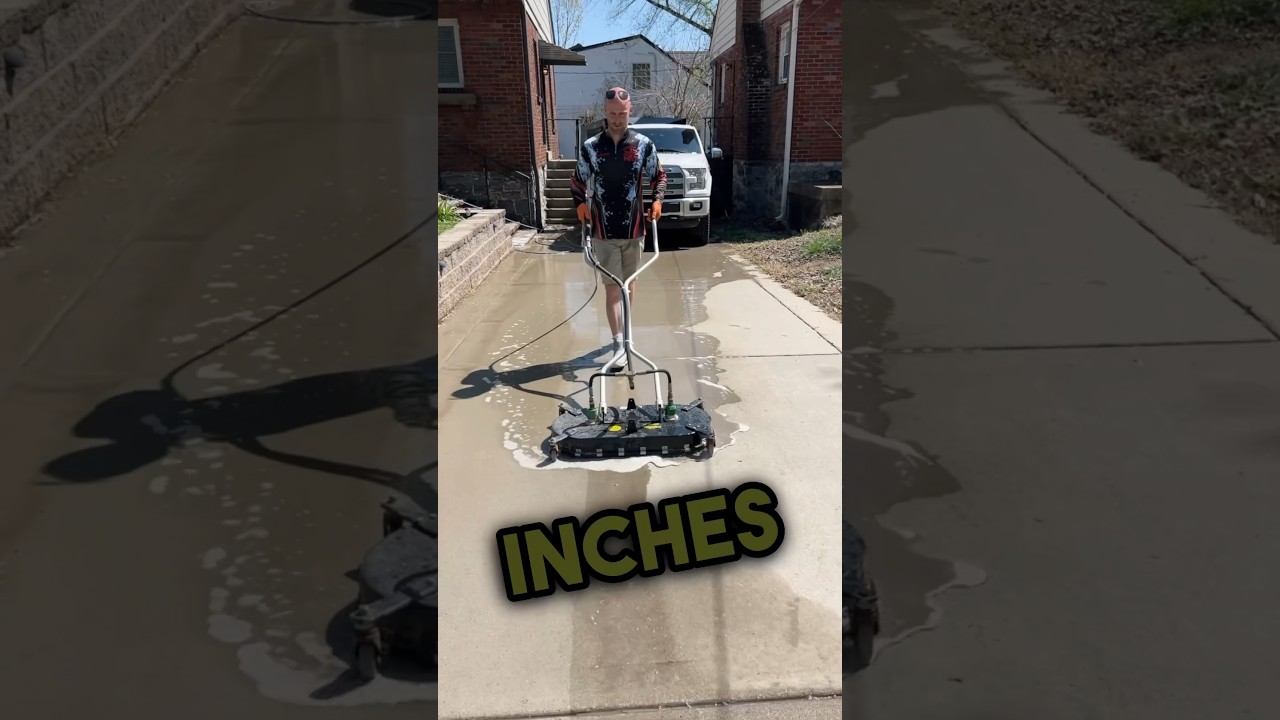
- Rinse Thoroughly: Rinse the area completely using a standard garden hose fitted with a multi-spray nozzle or a pressure washer set to low pressure (under 1,200 PSI) from a safe distance of at least 30 centimetres.
Mistakes That Permanently Damage Outdoor Tiles
To keep outdoor living areas looking pristine year-round, avoid these common exterior cleaning pitfalls:
- Using Undiluted Hydrochloric Acid: Acid-washing is common for initial construction cleanups, but applying it to established patios strips tile lustre, destroys grout, and causes severe chemical burns on limestone and travertine.
- Turbo-Nozzle Pressure Washing: Concentrated pencil-jet nozzles can easily gouge natural stone, strip decorative coatings, and blow out the sand-cement bond in your grout joints.
- Leaving Metal Furniture Unchecked: Metal outdoor settings combined with coastal humidity can lead to rust stains. Treating rust with wire brushes will scratch tiles; use specialised rust removers instead.
- Using Household Dish Soaps: Dish liquids leave behind microscopic films that attract airborne dust and turn slippery when wet, creating a safety hazard around pool areas.
Long-Term Protection for Townsville Homes
Once tiles are free of mould and ground-in dirt, applying a penetrating, breathable sealer is the most effective way to prevent future damage. Modern penetrating sealers sink deep into the pores rather than sitting on top as a film, preserving natural slip resistance while preventing moisture and bore water stains from penetrating the substrate. Reapplying high-grade sealers every few years ensures that regular maintenance remains quick, gentle, and damage-free throughout the dry and wet seasons alike.
Pressure Washing Townsville
(07) 4801 0339